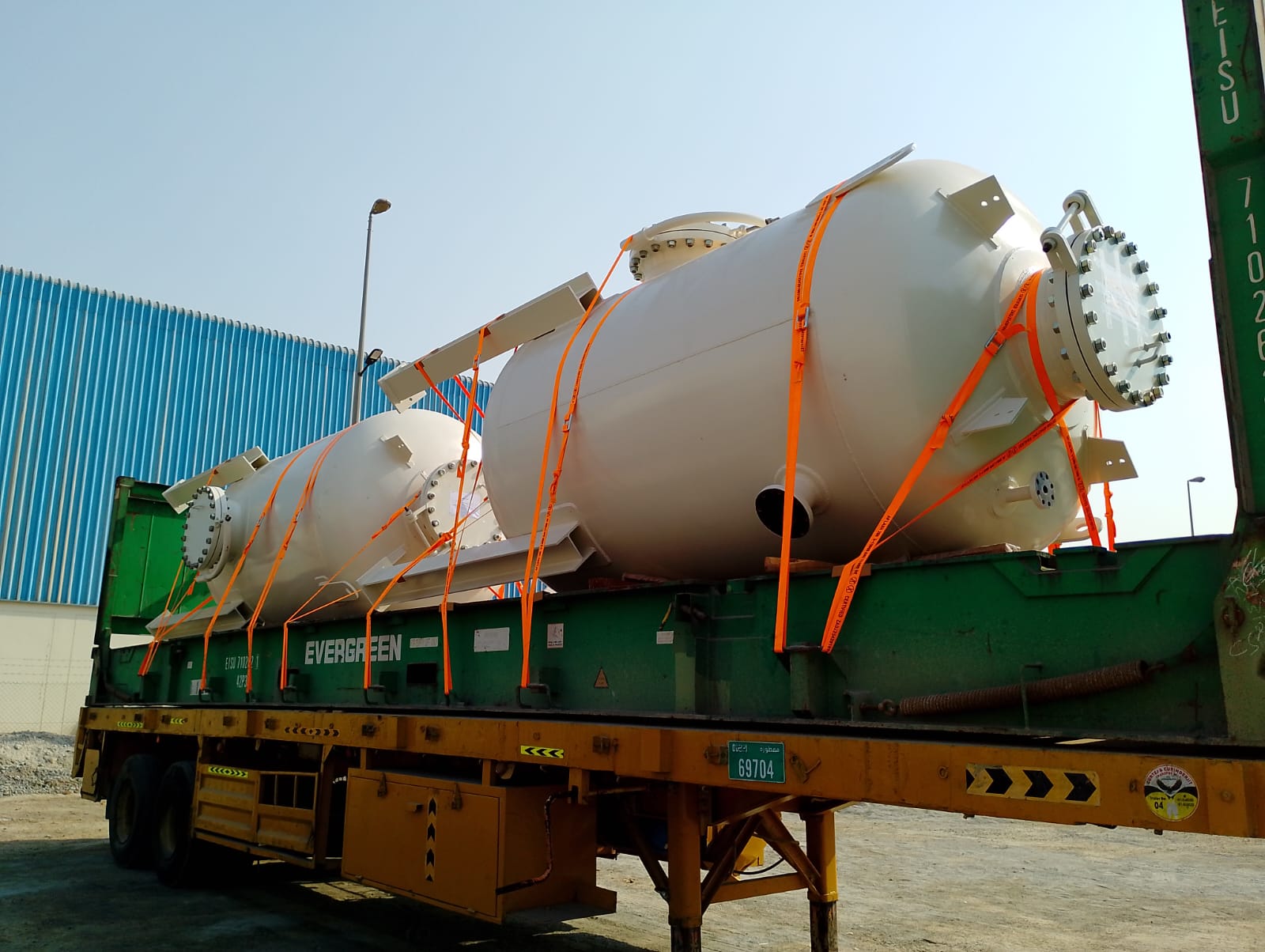



Shipping delays are one of the most common challenges in international logistics. They can affect customer expectations, increase storage costs, disrupt supply chain planning, and reduce business efficiency. While some delays are unavoidable, many can be reduced with the right preparation and coordination.
One of the biggest causes of shipping delays is incomplete documentation. Missing invoices, incorrect cargo descriptions, wrong HS codes, and inconsistent shipment details can all create problems during customs clearance or cargo handling. Businesses should always confirm that paperwork is complete and aligned with the actual shipment before dispatch.
Another major factor is poor scheduling. Cargo that is booked too late may face limited vessel space, airline capacity issues, or missed cut-off times. Planning transport early helps businesses secure better routing options and reduce the risk of last-minute disruptions.
Packaging and labeling also play an important role. Improperly packed cargo may be rejected, delayed for repacking, or selected for additional inspection. Clear labels, accurate marks, and cargo prepared according to transport requirements help speed up handling at warehouses, terminals, and checkpoints.
Communication between all parties is equally important. Suppliers, freight forwarders, customs brokers, and consignees must be aligned on shipment timing, document flow, and delivery expectations. Delays often happen when one part of the chain is ready but another is not.
Businesses should also consider seasonal trends and external risks. Port congestion, peak season demand, weather conditions, and regulatory changes can all affect transit time. A good logistics strategy includes flexibility, realistic timelines, and backup planning when risks increase.
Technology can also help reduce delays. Real-time tracking, digital document sharing, and better shipment visibility allow businesses to react faster when problems arise. Instead of waiting until cargo is already delayed, teams can address issues earlier and make informed adjustments.
At JMS Shipping, we support clients with shipment planning, documentation review, routing coordination, and cargo visibility. Our goal is to reduce unnecessary delays and help businesses move goods more reliably across international markets.
Reducing shipping delays is not about controlling every risk. It is about improving the parts that can be managed, such as planning, communication, compliance, and execution. Businesses that strengthen these areas can build a faster and more resilient logistics process.