


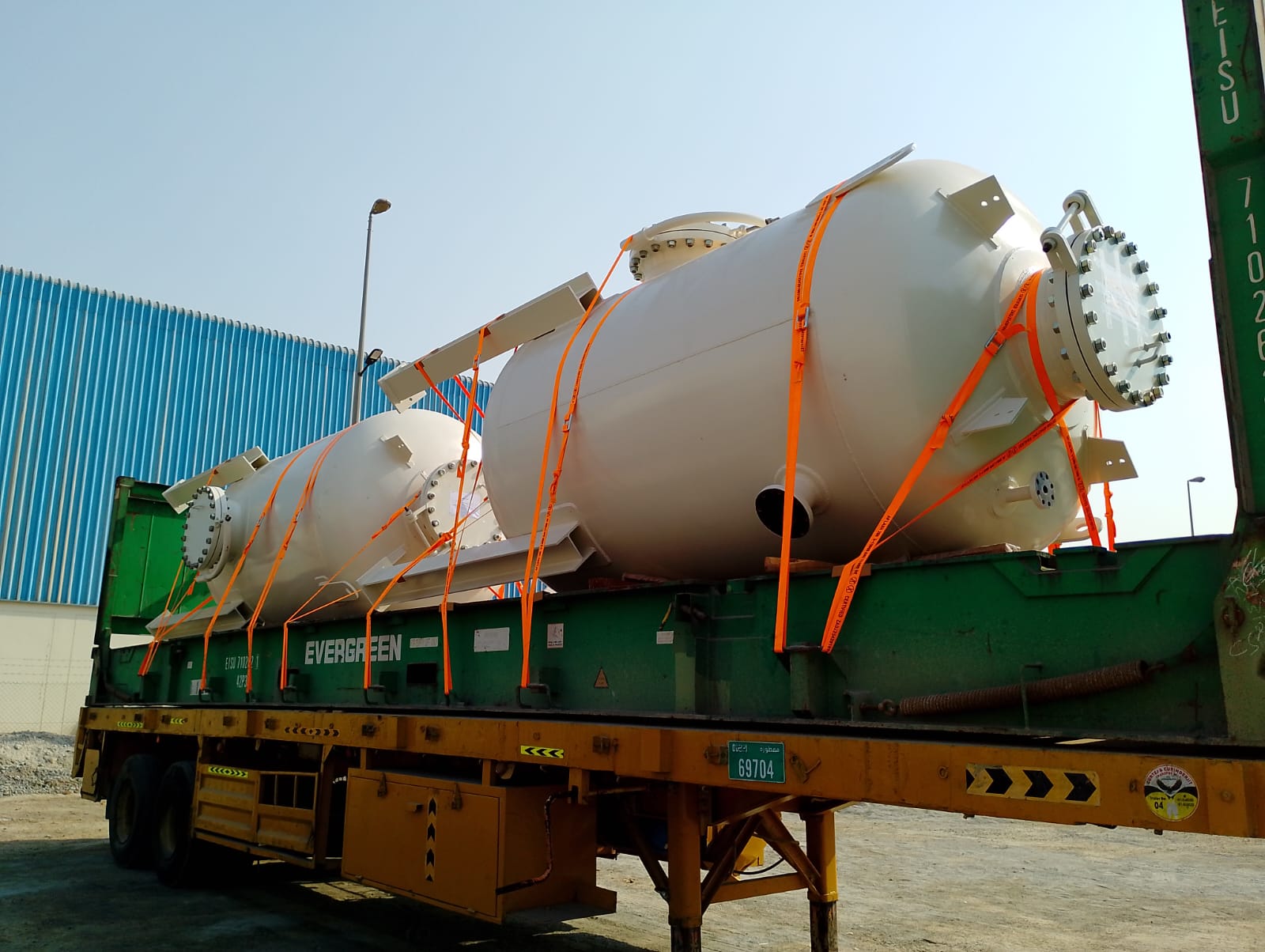
This cargo arrived on 30th September and moved out on 4th November, which means the turnaround was completed in just 5 days. This is the kind of operational speed we need to focus on more consistently across our logistics workflow.
Fast turnaround creates multiple advantages. First, it improves yield by reducing the amount of time cargo occupies valuable storage space. Second, it allows us to utilize available space more effectively for incoming shipments. Third, it reflects strong coordination between handling, clearance, and dispatch operations.
When cargo moves quickly, the overall warehouse flow becomes more efficient. This helps prevent congestion, improves planning, and creates more room for additional business opportunities. Better turnaround also improves service reliability, which clients notice immediately.
A performance like this can also help us attract more clients. Businesses prefer logistics partners who can move cargo efficiently, reduce delays, and make better use of available capacity. Strong turnaround performance builds confidence and supports long-term client relationships.
This example shows why operational speed matters. Faster movement is not only about saving time. It directly improves space utilization, supports profitability, and strengthens our ability to grow.