

Choosing between air freight and sea freight depends on more than just price. Businesses must consider delivery timelines, cargo size, budget, product sensitivity, and market demand before deciding on the best transport mode.
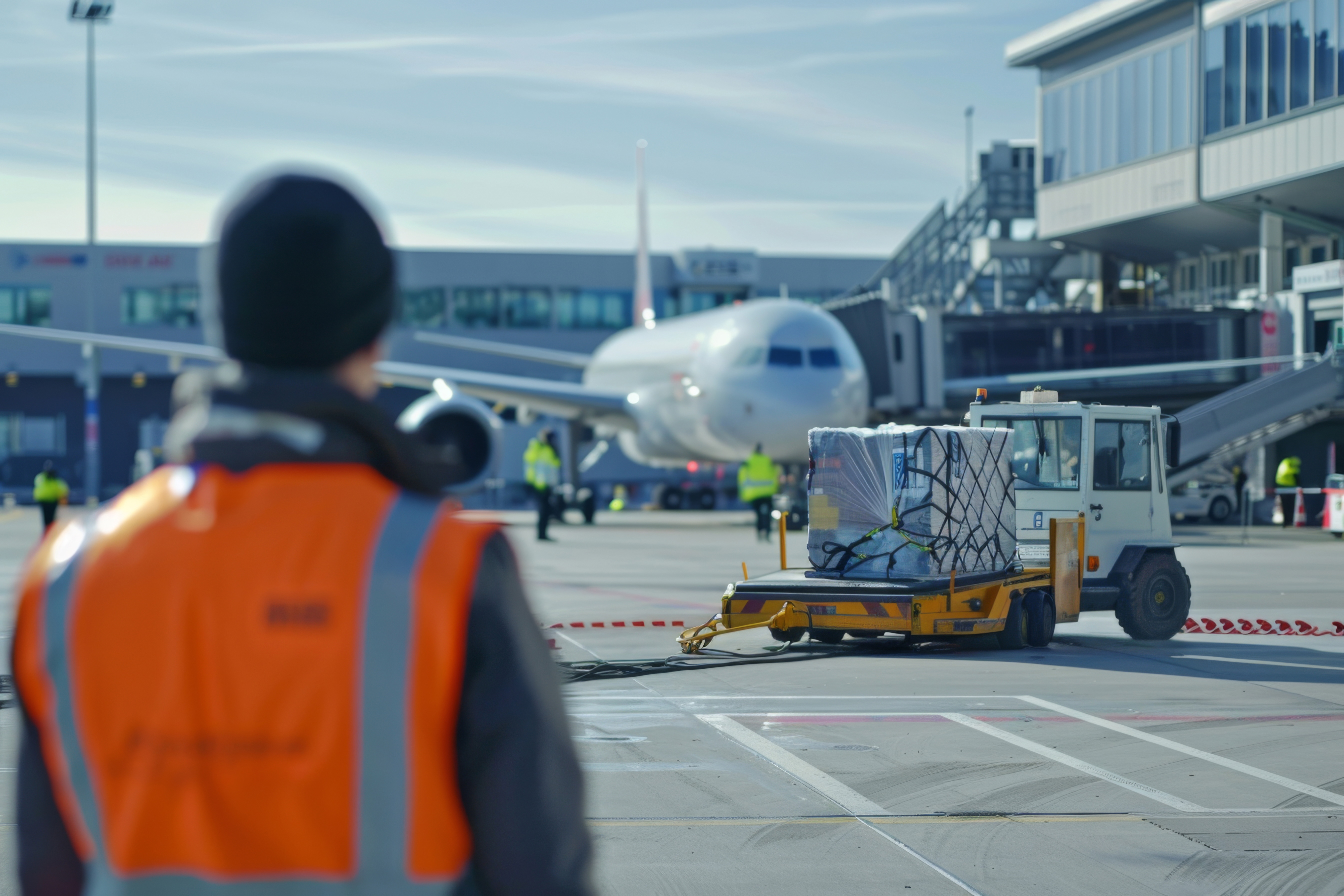
Air freight is ideal for urgent shipments, high-value goods, and products with shorter shelf life. It offers faster transit times and better predictability for time-sensitive deliveries. This makes it useful for spare parts, electronics, medical supplies, and premium retail goods. However, air freight is generally more expensive and may not be suitable for oversized or heavy cargo.
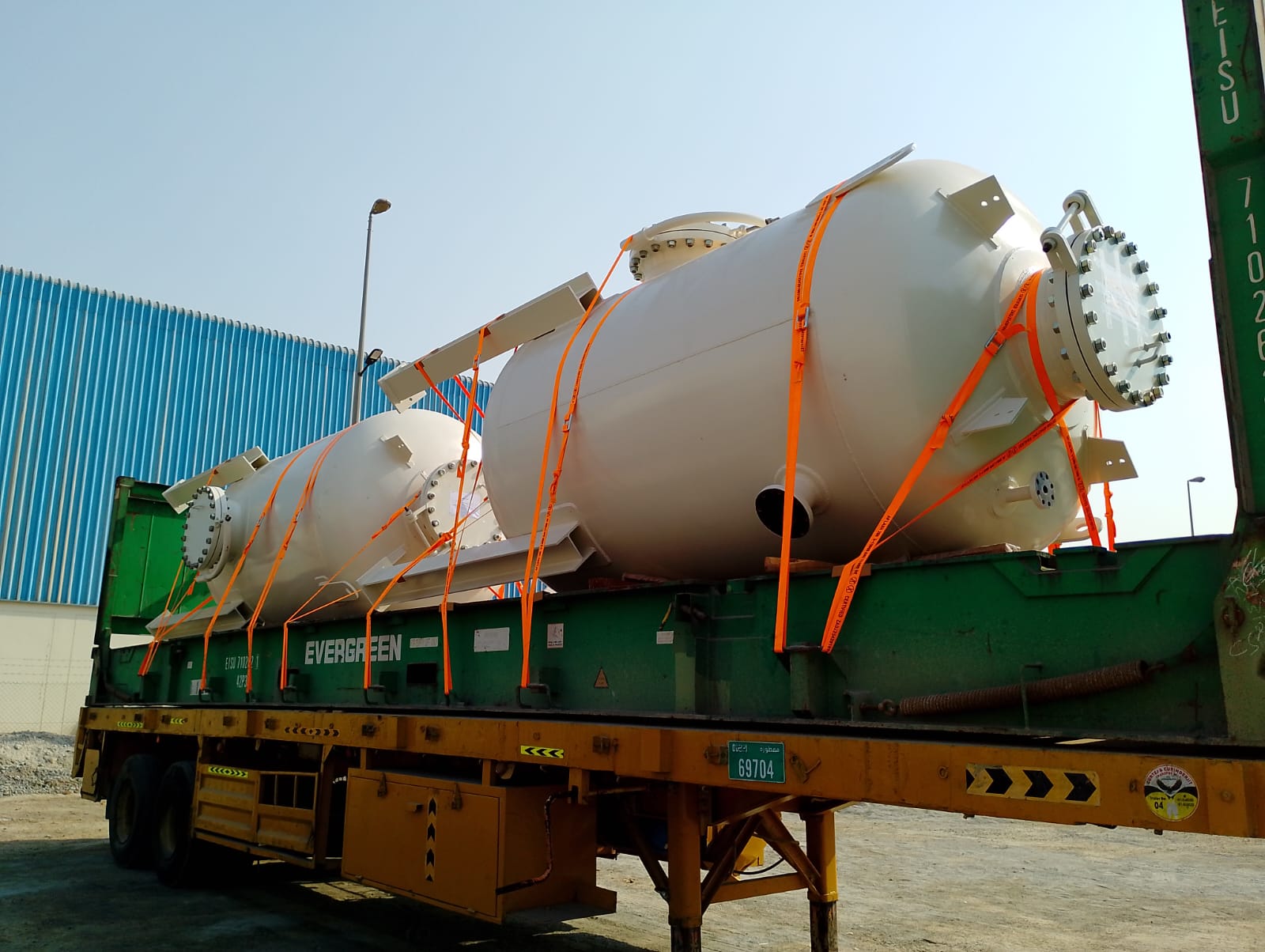
Sea freight is often the preferred option for larger volumes and cost-sensitive shipments. It provides better value for bulk cargo, machinery, raw materials, and non-urgent commercial goods. Although transit times are longer, sea freight remains one of the most efficient solutions for international trade when planning is done properly.
Another important factor is cargo handling. Fragile, temperature-sensitive, or regulated goods may require special arrangements regardless of the mode selected. Businesses should also evaluate customs procedures, port congestion, and final-mile delivery timelines when comparing options.
At JMS Shipping, we help clients assess cargo requirements, delivery urgency, and budget goals to recommend the most practical freight solution. The right choice is not always the fastest or cheapest option, but the one that best supports business continuity and customer expectations.
A smart logistics plan often combines both methods depending on shipment priority. Businesses that understand when to use air freight and when to use sea freight can reduce costs, improve planning, and maintain stronger supply chain performance.